
Latest films reviewed.
Here are some great movies:
- Ballad of Narayama, 4 stars, 1983. The elderly climb a mountain to die. Happens in rural Japan.
- Monsieur Hire, 3 stars, 1989. A recluse is accused of murder because he is strange.
- Spirit of the Beehive, 4 stars, 1973. A girl lives in a fantasy world after trauma.
- The Pledge, 5 stars, 2001. A murder investigation.
- Contact, 5 stars, 1997. A sci fi movie with Jodie Foster and James Woods. They travel in space in a transport system designed by aliens. This is one of my favorites. I like the idea of time travel and learning about outer space.
- A.I. Artificial Intelligence, 5 stars, 2001. Is about a boy that is an android.
- Badlands, 3 stars, 1971. Crime drama movie.I like the movie Badlands. It’s a film that has stuck with me since I first saw it years ago. The story follows a young couple, Kit and Holly, as they embark on a killing spree across the American Midwest.One of the things I appreciate most about Badlands is the way it portrays its characters. Kit and Holly are not your typical murderers. They’re not evil or malicious, but rather naive and misguided. The film takes a sympathetic approach to their actions, showing how their circumstances and upbringing led them down this path.
Another aspect of the movie that I find compelling is its cinematography. Director Terrence Malick uses wide shots and natural lighting to create a dreamlike atmosphere. The landscapes of the Midwest are beautifully captured, adding to the film’s overall sense of melancholy.
- Seven, 4 stars, 1995. It was a psychological crime thriller film with Brad Pitt, Morgan Freeman, and Kevin Spacey. I found it kinda cool.
- Superman, 5 stars, 1978. A classic superhero movie with Gene Hackman and Christopher Reeves. I have seen it 3 times. I liked it every time.
- Dog Day Afternoon, 5 stars, 1975. A bank robbery film in which there are lots of problems. The cast includes Al Pacino, Carol Kane, and Sully Boyar.I like the movie Dog Day Afternoon. It’s a classic film from the 70s that tells the story of a bank robbery gone wrong. Al Pacino plays Sonny, a desperate man who holds up a bank in Brooklyn to get money for his lover’s sex change operation. The film is based on a true story and is known for its gritty, realistic portrayal of the events.One of the things I appreciate about Dog Day Afternoon is its strong character development. The film takes the time to really flesh out the main characters, showing us their motivations and flaws. We see Sonny’s desperation and vulnerability, as well as his fierce loyalty to his partner in crime, Sal. The supporting characters, such as the hostages and the police negotiators, are also well-developed and add depth to the story.
- Top Gun, Maverick, 5 stars: the long-awaited sequel to the iconic 1986 film Top Gun, has finally taken flight and delivers a healthy dose of high-flying humor along with its adrenaline-fueled aerial action. The movie successfully combines thrilling aerial sequences, reminiscent of the original, with a fresh and amusing tone that keeps the audience engaged and entertained throughout.Tom Cruise reprises his role as Pete “Maverick” Mitchell, now an experienced flight instructor at the Top Gun Naval Fighter Weapons School. Maverick’s unorthodox teaching methods and quick wit bring a lighthearted touch to the movie, while also showcasing the camaraderie between the characters. The film does a great job of balancing humor with the high-stakes drama that unfolds as the story progresses.New additions to the cast, including Miles Teller as Bradley “Rooster” Bradshaw, the son of Maverick’s late best friend, Goose, contribute significantly to the movie’s humorous tone. Their dynamic provides ample opportunity for playful banter and friendly competition, which helps to keep the film from taking itself too seriously.Visually, Top Gun: Maverick is a treat, with stunning aerial sequences that are both thrilling and awe-inspiring. The film’s action is well-paced and complemented by its humor, ensuring that the movie never feels weighed down by its more dramatic moments.
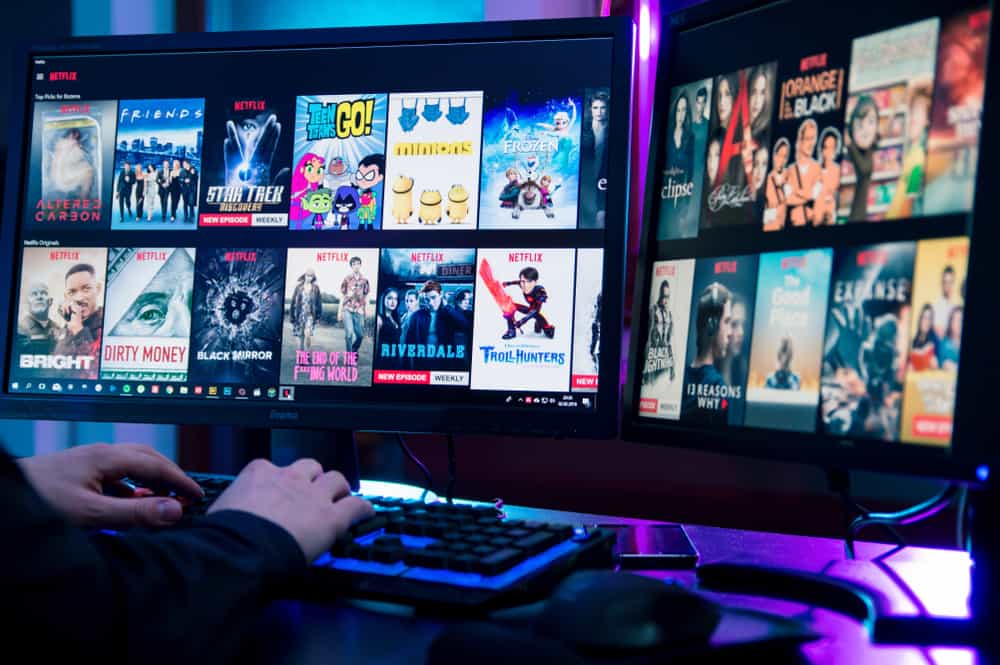
If you want to stay home you have many options to watch.
1. What is a movie review? Is it just someone’s opinion about a movie?
A movie review is like a carefully crafted love letter to the silver screen. It’s more than just someone’s opinion—it’s an analysis of a film’s triumphs and tribulations, a deep dive into its artistic merits and flaws. Think of it as a delicious blend of critical analysis and heartfelt fandom, served with a side of popcorn.
2. How are movie reviews written? What elements are typically included in a review?
Movie reviews follow a recipe that would make even Gordon Ramsay proud. They usually start with an appetizing introduction, a tantalizing teaser to grab your attention. Then comes the main course—a summary of the plot without spoilers, an evaluation of the performances, the cinematography, and the director’s vision. And for dessert, a delightful conclusion that leaves you craving more or rushing to grab the remote.
3. Are movie reviews subjective or objective? Can I trust them to guide my movie choices?
Movie reviews are like flavors of ice cream—subjective, but oh-so-delicious. While reviewers offer their personal opinions, they also sprinkle in objective analysis to give you a balanced perspective. Trust them to guide your movie choices, but remember that everyone has different tastes. So, if a reviewer trashes your favorite film, just smile and carry on. They’re missing out on the beauty of your cinematic masterpiece.
4. How can I find reliable and trustworthy movie reviews? Are there any reputable sources?
Finding reliable and trustworthy movie reviews is like hunting for buried treasure. Look for established film critics or respected publications known for their expertise and integrity. You’ll find hidden gems in the world of film journalism that will become your go-to sources. And don’t forget the power of word-of-mouth! Your film buff friends might have their own delightful recommendations that could become your cinematic holy grail.
5. Can movie reviews contain spoilers? How do reviewers handle spoilers without ruining the viewing experience?
Movie reviews are like secret-keepers—they know the power of spoilers, and they handle them with care. Skilled reviewers dance around spoilers like acrobats, providing enough insight to pique your interest without ruining the surprise twists or climactic moments. It’s like walking a tightrope of information, ensuring you’re captivated without feeling like you’ve been dropped from a great height.
6. Can movie reviews impact a film’s success or popularity? Do filmmakers take them into consideration?
Movie reviews have the power to make or break a film’s success, much like a superhero’s arch-nemesis. Positive reviews can elevate a film to dizzying heights, while negative reviews might leave it wallowing in the shadows. Filmmakers and studios are no strangers to the impact of reviews—they eagerly await their reviews with the anticipation of a kid waiting for their favorite superhero to save the day.
7. Can I write my own movie reviews? Do I need to be an expert to share my opinion?
Absolutely! Writing your own movie reviews is like becoming a master chef in your own kitchen. You don’t need a Michelin star or a film degree to share your thoughts and opinions. Your unique perspective, wit, and enthusiasm are what make your reviews special. So, grab your pen, dust off your keyboard, and let your inner film critic shine. Your voice deserves to be heard, even if your opinions are as controversial as pineapple on pizza.